
 English
 Español
 Nederlands
 বাংলা
বাংলা हिन्दी
 한국어
한국어 العربية
 Français
 Filipino
 简体中文
简体中文 Italiano
 Türkçe
 Português
 Русский
 Deutsch
 עִבְרִית
 Српски језик
Exploring the cultural significance of gambling in modern society
The Historical Roots of Gambling
The practice of gambling has deep historical roots that extend back thousands of years. From ancient civilizations engaging in dice games to the emergence of betting on animal races in Greece and Rome, gambling has always been intertwined with human culture. In today’s context, exploring options that offer ease of access, such as uk casino no verification, highlights the changing landscape. The reasons for its endurance are manifold; it often serves as a means of entertainment, social bonding, and even a reflection of societal values. As these ancient practices evolved, they laid the groundwork for modern forms of gambling that we see today.

As societies transitioned from agrarian lifestyles to urban centers, gambling adapted to fit the changing social landscape. The establishment of organized gambling venues, such as casinos and racetracks, marked a significant shift. These environments not only offered structured gameplay but also created a space for social interactions, transforming gambling into a communal activity. This evolution highlights how gambling has consistently adapted to meet the needs of its participants, showcasing its cultural relevance across different epochs.
In contemporary society, the historical significance of gambling is evident in how many nations celebrate gambling festivals or events. These occasions often reflect a blend of traditional practices and modern trends, making gambling a rich tapestry of history and culture. Understanding its past can shed light on why gambling remains a prevalent part of modern life, as it continues to evoke excitement and foster community connections.
The Social Dynamics of Gambling
Gambling is not merely a solitary pursuit; it has profound social implications. It creates opportunities for social interaction and community engagement, whether at a local card game or a grand casino. In many cultures, gambling serves as a bonding activity, allowing friends and families to gather and share experiences. This communal aspect of gambling enhances its appeal, fostering relationships and generating shared memories that transcend the mere act of betting.
Moreover, gambling is often seen as a rite of passage in various cultures. Events like poker nights or lottery draws become integral to social life, symbolizing luck, risk, and the thrill of chance. Such gatherings allow individuals to express their personalities and engage in playful competition, further cementing gambling’s role in social cohesion. The celebratory nature of these activities often masks the inherent risks associated with gambling, leading to complex social dynamics where triumphs and losses are shared collectively.
Additionally, gambling has become an important facet of identity for many communities. From organized poker tournaments in the United States to high-stakes baccarat games in Macau, the local culture influences the types of games played and the behaviors exhibited. This intersection of gambling with cultural identity emphasizes its multifaceted role in modern society, revealing how it can be a reflection of broader social dynamics and personal values.
The Economic Impact of Gambling
The economic implications of gambling are significant and multifaceted. Legal gambling has evolved into a lucrative industry that generates billions of dollars in revenue globally. Many governments have recognized its potential to boost local economies through taxation and job creation. This influx of revenue can be reinvested into public services, making gambling a viable source of funding for education, healthcare, and infrastructure projects.
Moreover, the growth of online gambling platforms has revolutionized the industry, expanding its reach and accessibility. With the rise of the internet, individuals can now engage in various betting activities from the comfort of their homes. This accessibility has led to a surge in participation, significantly impacting the economy. However, it also raises concerns about responsible gambling practices and the potential for addiction, highlighting the need for regulatory measures to protect consumers.
The tourism aspect of gambling cannot be understated either. Cities like Las Vegas and Monte Carlo have built their identities around gambling, attracting millions of visitors annually. These tourist hotspots offer not only gambling opportunities but also a range of entertainment options, thereby enhancing their economic contributions. The symbiotic relationship between gambling and tourism emphasizes its critical role in shaping economic landscapes around the world.
The Ethical Considerations Surrounding Gambling
As gambling continues to permeate modern society, ethical considerations have emerged regarding its impact on individuals and communities. The potential for addiction remains a significant concern, affecting not only gamblers but their families and social circles. Mental health professionals often emphasize the importance of awareness and education to mitigate the risks associated with gambling addiction, advocating for responsible gambling practices that prioritize well-being over profit.
Moreover, the gambling industry faces scrutiny regarding its role in promoting inequality. The lure of easy money can often be enticing for individuals from lower socioeconomic backgrounds, leading to financial strain and, in some cases, devastating consequences. The ethical dilemma surrounding advertising and marketing strategies employed by gambling establishments further complicates this issue, as these tactics often glamorize gambling while downplaying its risks.
To address these ethical concerns, many countries have implemented regulations to promote responsible gambling and protect vulnerable populations. These measures often include age restrictions, information campaigns, and support services for those struggling with gambling-related issues. As society navigates these complex ethical landscapes, it becomes essential to find a balance between celebrating the cultural significance of gambling and ensuring the safety and welfare of participants.
Conclusion: Embracing Responsible Gaming
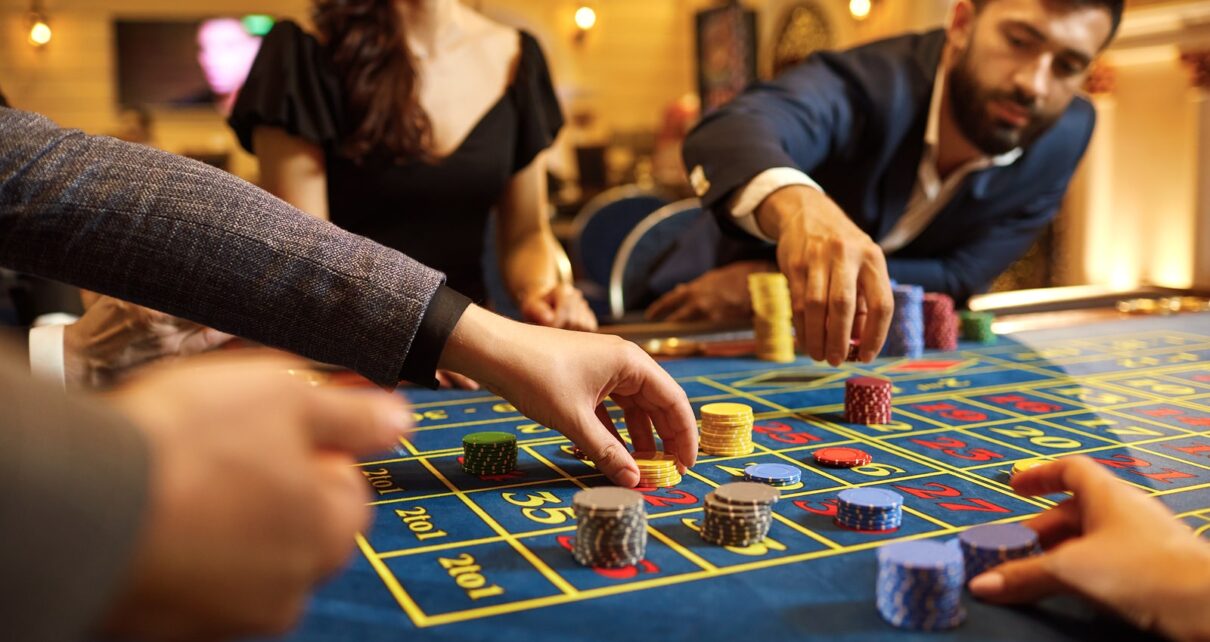
In conclusion, the cultural significance of gambling in modern society is undeniable. It intertwines history, social dynamics, economic impact, and ethical considerations, creating a complex tapestry that reflects human behavior and societal values. As we move forward, embracing responsible gaming practices will be crucial to enjoying the benefits of this age-old pastime while mitigating its potential harms.
Platforms like No KYC Casino offer innovative solutions to enhance the gambling experience while respecting player privacy. With a wide array of games and welcoming bonuses, they cater to a growing audience eager to explore the excitement of gaming without unnecessary barriers. As gambling continues to evolve, it is vital to remain vigilant about its implications on society while enjoying the cultural richness it brings.
